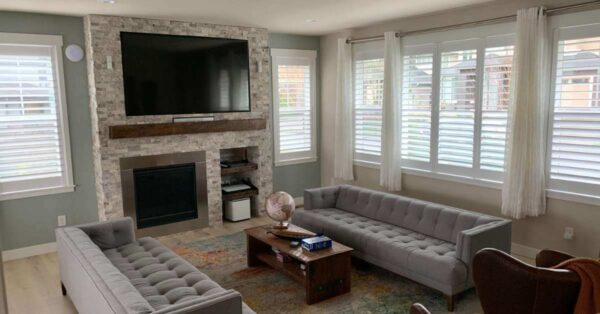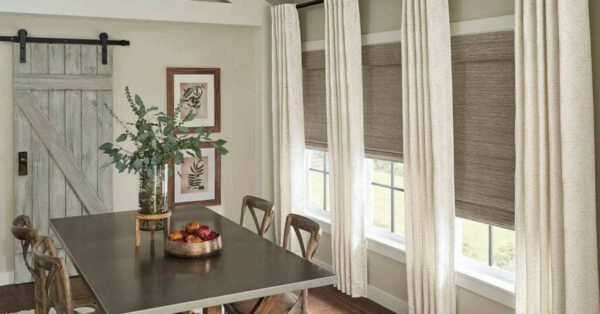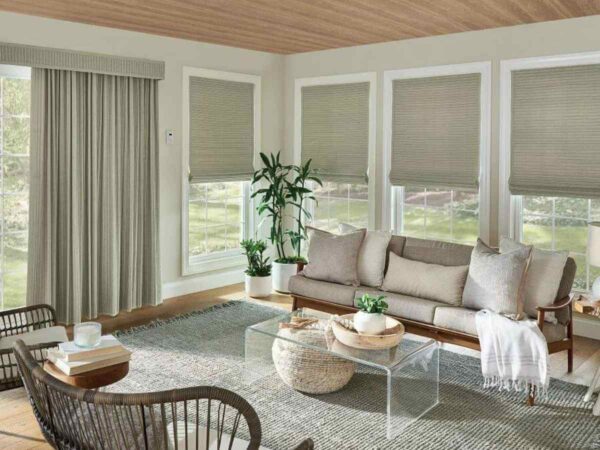
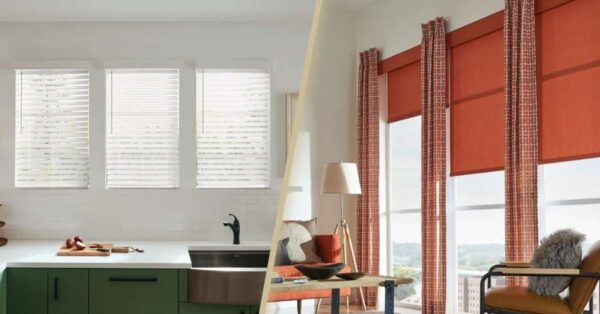
The difference between blinds and shades comes down to structure, light control, insulation, and overall function. Blinds use adjustable slats for precise light control, while shades are made from a continuous piece of fabric that provides a cleaner look and stronger insulation. Below is a clear, skimmable breakdown to help you decide which window covering fits your space best.
Blinds vs. Shades: Side-by-Side Comparison
Feature | Blinds | Shades |
Construction | Individual slats | Single continuous fabric |
Light Control | Highly adjustable via slat angle | Controlled by raising/lowering |
Privacy | Adjustable without lifting | Full privacy when lowered |
Insulation | Moderate | High (especially cellular shades) |
View Preservation | Slats partially obstruct views | Cleaner, less obstructed views |
Common Materials | Wood, faux wood, aluminum, vinyl | Fabric, woven materials |
Typical Use | Living rooms, offices, sliding doors | Bedrooms, media rooms, nurseries |
What Are Blinds?
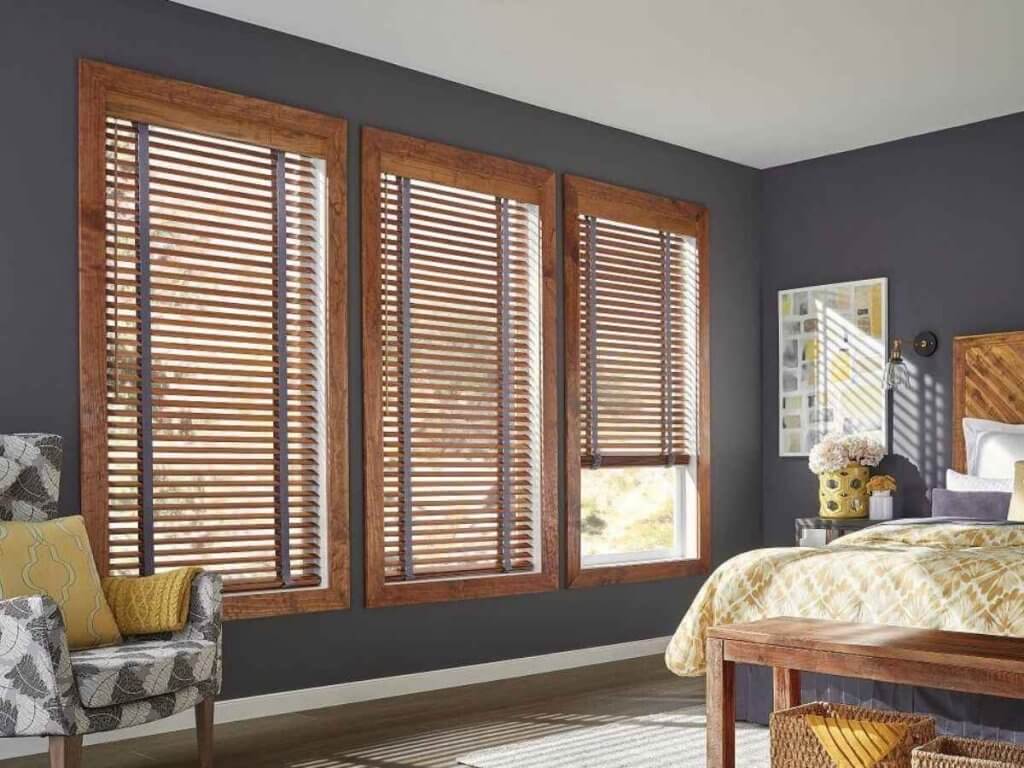
Blinds are hard window coverings made from horizontal or vertical slats that tilt open or closed. This design allows light to be filtered without fully raising the treatment.
Key characteristics of blinds:
- Slats adjust to control brightness and glare
- Available in wood, faux wood, aluminum, and vinyl
- Vertical blinds work well for sliding doors and wide windows
- Easy to clean and durable for high-traffic areas
According to industry standards, blinds remain one of the most cost-effective window covering solutions for homeowners who want adjustable lighting without complex mechanisms.
What Are Shades?
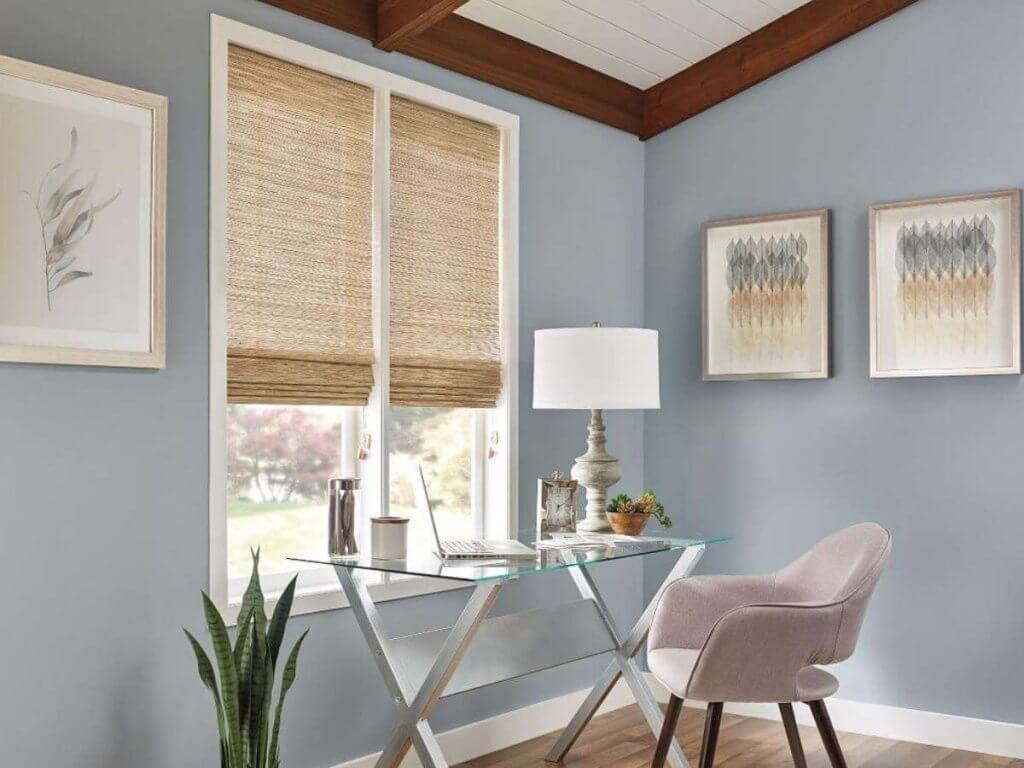
Shades are made from one continuous piece of fabric that raises or lowers as a unit. Instead of slats, shades rely on fabric density and layering to manage light and privacy.
Popular shade types include:
- Roller shades
- Roman shades
- Cellular (honeycomb) shades
- Light-filtering and blackout shades
Shades sit closer to the window, which improves thermal performance and creates a softer, more streamlined appearance.
Benefits of Blinds
Choose blinds if you prioritize:
- Precise light control through adjustable slats
- Lower upfront cost compared to most shade options
- Durability for kitchens, offices, and shared spaces
Blinds allow airflow and daylight without fully exposing the room, making them practical for everyday use.
Benefits of Shades
Shades are ideal when you need:
- Better insulation (cellular shades trap air for thermal efficiency)
- Cleaner views without slats breaking up the scenery
- Enhanced safety, especially with cordless designs
Shades are often recommended for bedrooms, where light control and comfort matter most.
FAQs: Difference Between Blinds and Shades
Shades are typically better for bedrooms because they offer improved insulation androom-darkening options. Blackout and cellular shades help reduce light intrusion and temperature fluctuations.
Both can last many years when properly maintained. Blinds tend to resist wear better in high-use areas, while shades depend more on fabric quality and exposure to sunlight.
Yes. According to energy efficiency studies, cellular shades provide superior insulation by trapping air within their honeycomb structure, helping regulate indoor temperatures.
Final Thoughts: Choosing the Right Window Covering
Understanding the difference between blinds and shades makes choosing the right window treatment far easier. Blinds offer flexibility and affordability, while shades deliver comfort, insulation, and a streamlined look. The best choice depends on how each room is used and the level of light, privacy, and efficiency you want.
For expert guidance and tailored recommendations, Shaded Window Coverings offers professional consultations and high-quality solutions designed around your space. Reach out today to find the window treatment that fits your home perfectly.